4 min
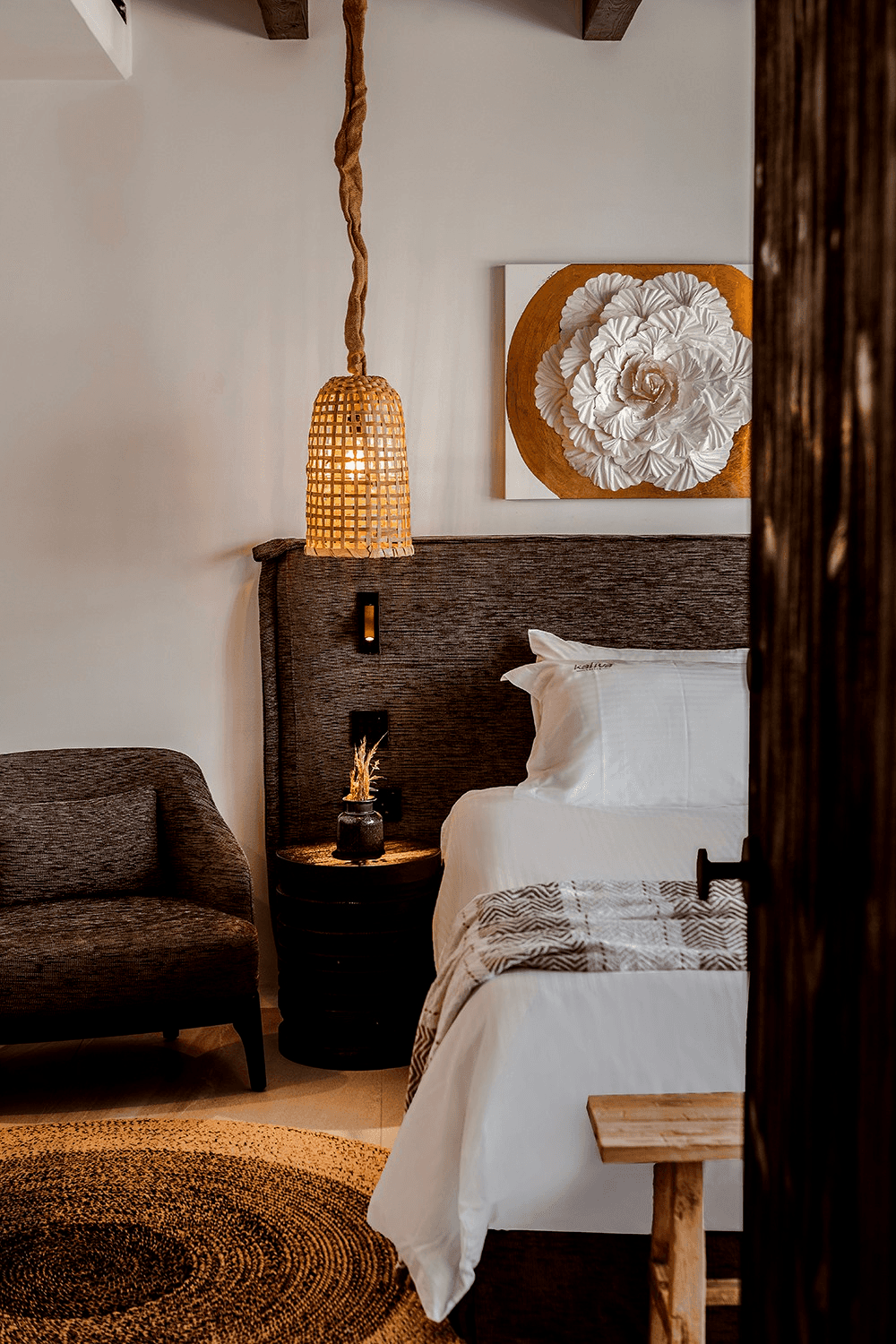
Sleep quality drives more negative hotel reviews than service or cleanliness. Acoustic separation, blackout performance, bedding, and thermal control are specified long before the first guest checks in, which makes sleep one of the most expensive things to get wrong in a hotel room and one of the easiest to get right at brief stage.
The review comes in at four stars instead of five. The guest loved the location, appreciated the service, and found the room beautifully finished. But they did not sleep well. They note it briefly, almost apologetically. It is enough. It affects the overall score, edges the property down in search results, and quietly reduces the probability that the guest returns. This loss compounds invisibly across a full season of check-ins. The question it leaves behind is one that almost no hotel brief is designed to answer: why, in a room that looks exactly right, did the guest not rest?
The most significant investment in a hotel room is almost always made on what guests can see and photograph. The lobby, the furniture, the view. These matter. They drive the first booking and generate the social content that fills the pipeline ahead of the next season. What they do not determine is whether the guest sleeps well, wakes restored, and books again. That outcome is set by a different category of decision entirely: light quality, acoustic conditions, thermal precision, air composition. These variables rarely appear with any specificity in hotel fit-out briefs. They are treated as givens, or as someone else's concern.
The first booking and the second one have different drivers
A guest who chose your property because of how it looked in photographs is already partway satisfied before they arrive. The lobby met expectations. The room felt considered. The view delivered what it promised. None of that is what determines whether they come back. In a 2021 study from the Division of Sleep and Circadian Disorders at Brigham & Women's Hospital at Harvard Medical School, 609 frequent hotel guests across business and leisure travel were asked what drove their overall satisfaction and likelihood to return. Their answer, consistently, was sleep quality. Room attributes including light, acoustic conditions, and thermal comfort were the primary predictors of how well they slept. Industry research on sleep-designed hotel rooms has cited average daily rate premiums of 18 to 20% over comparable properties without them. The specification that produces that premium is set during fit-out. It cannot be adjusted once the season begins.
The asymmetry of the effect is what gives this commercial weight. A guest who slept well rarely mentions it. A guest who did not will mention it in nearly every review they write, regardless of how everything else performed. Sleep quality specification is therefore not an upgrade for a high-performing property. It is risk management for the investment that has already been made.
The sound your room makes when it is empty
Acoustic performance in hotel rooms is typically addressed through minimum insulation standards between rooms and corridors. What those standards do not account for is the acoustic character of the room itself: reverberation, low-frequency noise from HVAC systems, and the transmission of external sound during the hours that matter most. A guest woken at 3am by a lift mechanism, a heating unit cycling on, or sound travelling through a shared wall has encountered a specification decision made months before they arrived. They will not know that. They will know they did not sleep, and they will say so.
The disruption runs deeper than broken rest. A review published in Indoor Air in 2025 identified sound levels above approximately 35 decibels as linked to disruption of REM sleep, the stage most associated with cognitive recovery and emotional regulation. Thirty-five decibels is roughly the level of an HVAC unit cycling at low speed in an otherwise quiet room — the ambient baseline of many standard hotel rooms before a single source of corridor sound, traffic, or guest movement is added. Closing that gap is not a matter of thicker walls. It requires specification at the level of room geometry, surface treatment, and the acoustic character of mechanical systems. These are fit-out decisions. Once the property is operational, they are fixed.
A room that cannot go dark enough
The bedside lamp that is the only available option at 11pm is not a neutral choice. It is a specification outcome. Most hotel rooms offer guests a binary: overhead brightness or darkness. Neither aligns with the hours before sleep. In 2022, researchers from Harvard, Oxford, and the University of Manchester co-authored a consensus paper in PLOS Biology establishing evidence-based recommendations for indoor light exposure at different times of day. For the hours before sleep, their recommendation was melanopic light levels below 10 lux to protect melatonin production and support sleep onset. A standard bedside lamp sits well above that threshold. So does the glow of a television screen at close range. A room that cannot bring its lighting environment below these levels measurably shortens the guest's sleep window, not through any failure of service, but through a specification that was never asked to account for sleep science.
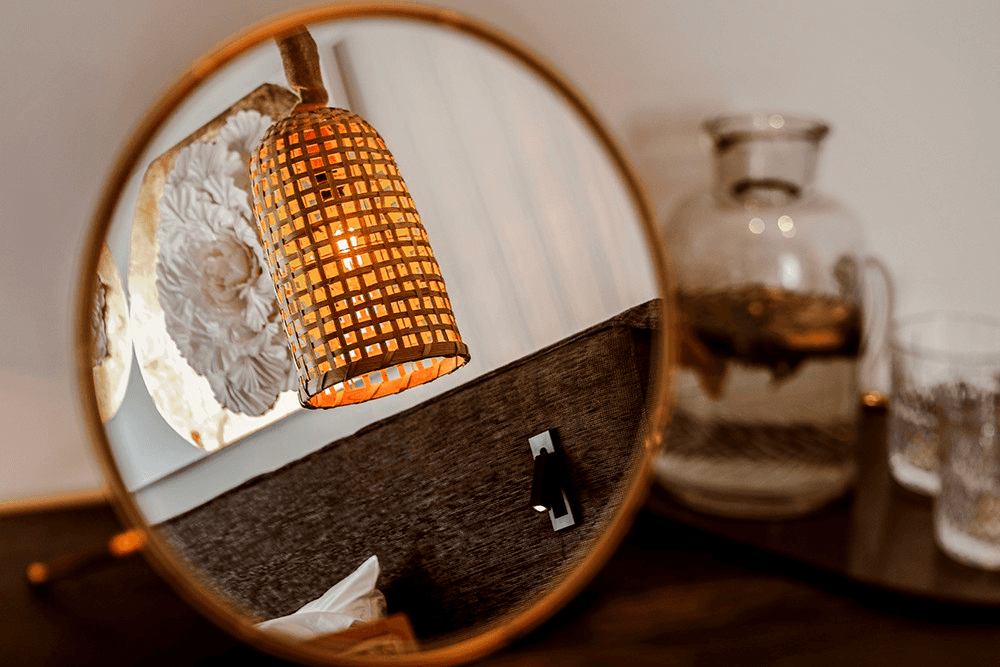
The WELL Building Standard's Light concept, developed by the International WELL Building Institute (IWBI), addresses this with criteria for circadian-effective light levels, blackout performance, and guest controls that allow the room's lighting environment to shift without the guest navigating a complex panel. The cost differential between a standard lighting installation and a circadian-effective one is primarily a question of specification: the same fixture budget, a different brief. Addressing this before the FF&E schedule is fixed is a different conversation from addressing it after the first season of reviews has established the pattern. And for properties undergoing soft refurbishment rather than full fit-out, lighting controls and blackout performance are among the interventions most readily incorporated without structural change.
The τoπos perspective
We approach hospitality projects with these variables specified from the earliest stages of the brief: acoustic targets for both airborne and impact sound, light specifications that include circadian effectiveness and blackout performance, air quality criteria that inform material selection before a single finish is chosen, and thermal conditions held closer to the 18 to 20°C range that sleep science associates with restorative rest, rather than simply landing somewhere within the broad comfort band that standard compliance requires. For you, that means the guest experience is designed rather than assembled. The distinction appears not in the photography, but in the reviews written the morning after.
The five-star review no one had to chase
The guest wakes rested. They are not certain what this hotel did differently, but they know they are coming back, and they say so. The review mentions the quality of the sleep, the stillness of the room, the sense that the space was working for them. That response is not accidental. It is the result of a specification that treated the bedroom as a performance environment rather than a display one. Living, designed well.