5 min
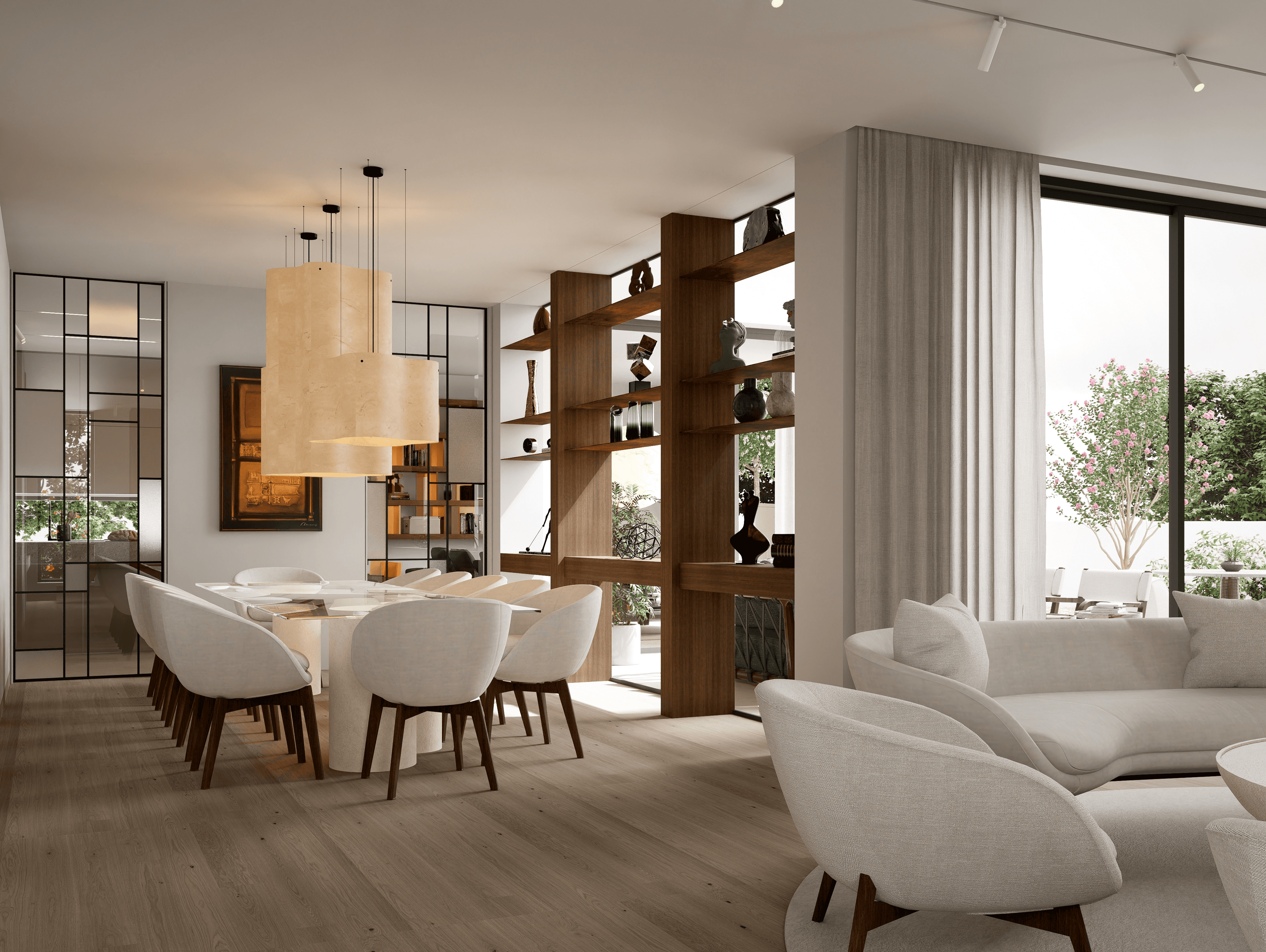
A room can be visually perfect and still feel wrong, because photographs only capture what a space looks like, not what it does to your body. Light spectrum, acoustics, air quality, and thermal comfort are the invisible design decisions that determine whether a beautiful room actually feels good to be in.
You have been in rooms that should have worked. The proportions were right. The materials were considered. The photographer clearly knew what they were doing. And yet the room, in person, stayed at a distance. Not cold, exactly. Not obviously wrong. Just absent of whatever quality made you want to be in it in the first place. You moved through it, and it did not move through you.
What the photograph cannot say
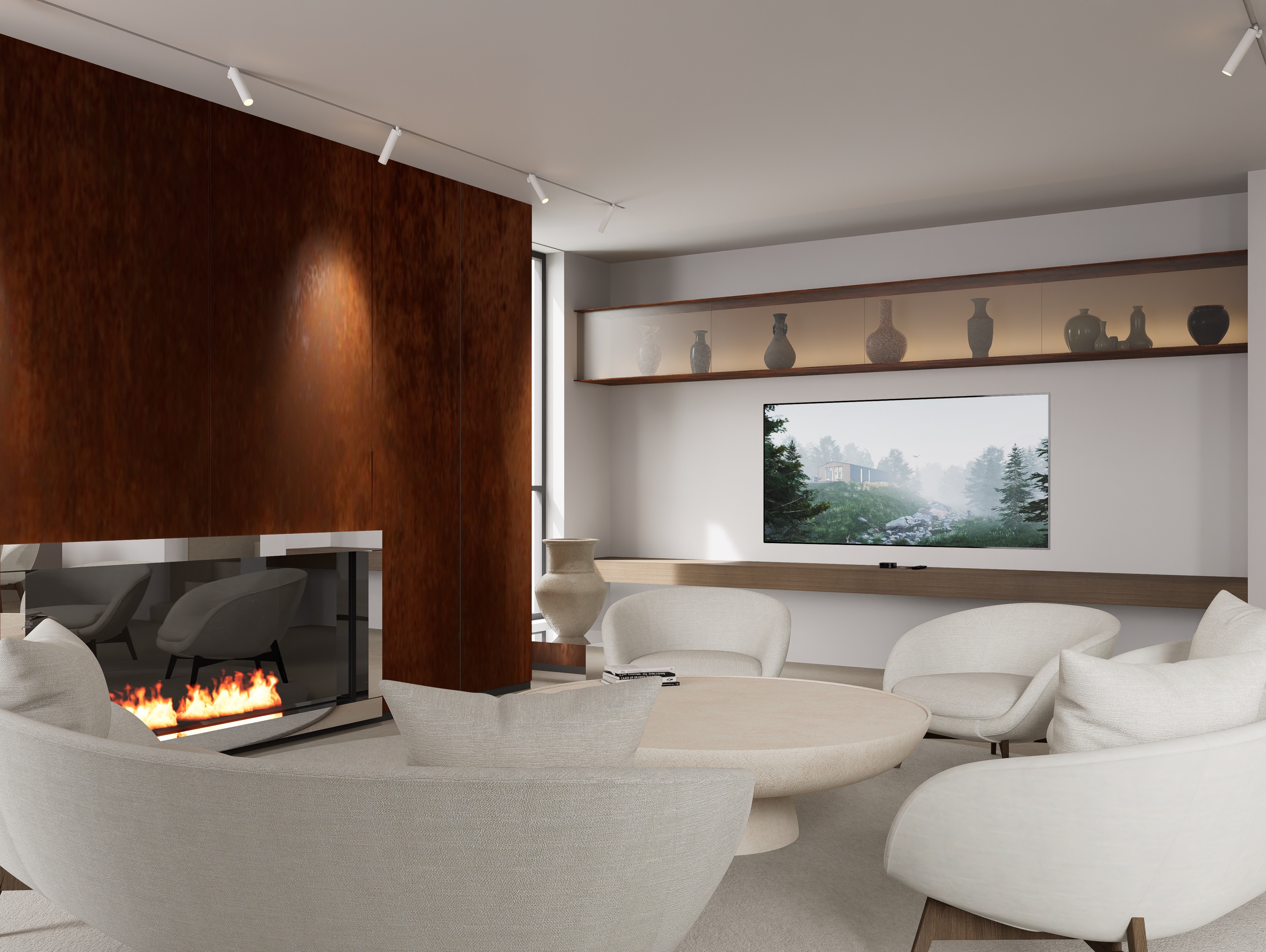
For a century, the primary medium for experiencing design has been the photograph. Magazines, websites, and social feeds have shaped our sense of what a good space looks like, and "looks like" is precisely the limit of what they can convey. The photograph captures proportion, material, and light. It cannot capture the temperature differential between floor and ceiling, the way sound reflects off surfaces at 11pm, or what the air composition does to your body over three hours. We have spent decades developing a precise vocabulary for the visual qualities of a space and almost none for the experiential ones. That gap is not a failing of any individual designer. It is a consequence of how the entire conversation about design has been conducted. The visual layer and the felt layer are not the same thing. Most design processes treat them as one.
The room that passed every visual test
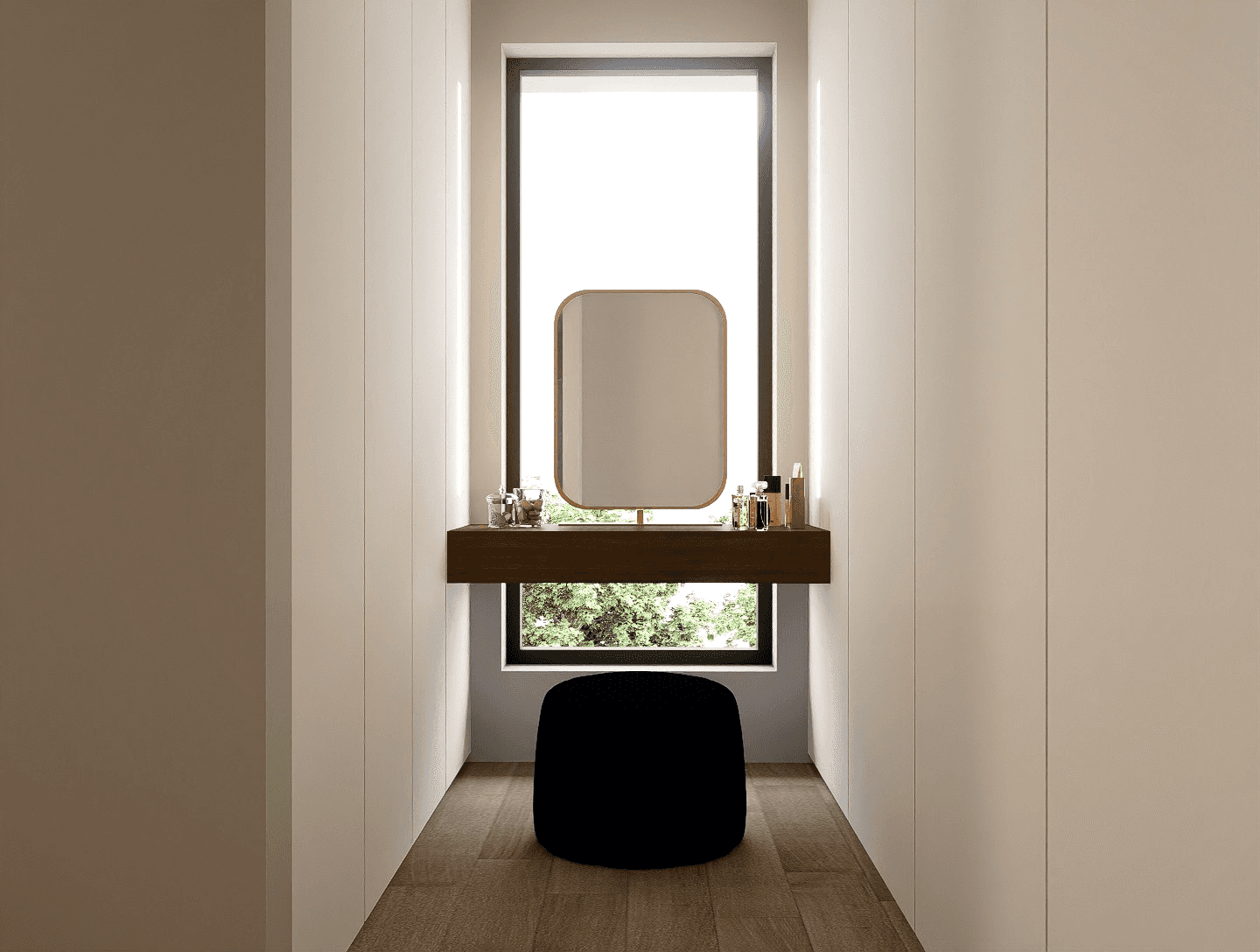
A bedroom is the clearest example. The visual language of rest is well established: soft tones, considered textures, light arriving from low angles. A room can execute all of that flawlessly and still not produce rest. The curtains do not reach the floor and light arrives at 6am. The ventilation system creates a low-frequency hum the sleeping body registers as alertness. The floor material makes the room feel colder than it is when you stand on it at 3am. None of these conditions appear in the photographs. They appear in how you feel after a week of sleeping there. Roger Ulrich's research, and the substantial body of work that has built on it over four decades, established something the profession has been slow to act on: that physiological responses to spatial conditions operate entirely independently of how we evaluate those conditions aesthetically. The room can look right and still be wrong.
What your body registers before you do
The things that determine how a space feels are not the things most design briefs are written around. Air quality. Thermal comfort. Acoustic character. Light spectrum across the day. The chemical composition of surfaces and finishes. These are not abstract conditions. The US Environmental Protection Agency has established that indoor environments routinely contain two to five times the volatile organic compound levels found outdoors, produced by paints, adhesives, and furnishings standard in any renovation. You do not smell it. You do not notice it. You just feel, after a few hours, a low-grade heaviness you attribute to something else. Research from Harvard T.H. Chan School of Public Health has linked those concentrations, at levels typical of most furnished homes, to measurable reductions in energy and clarity in otherwise healthy adults. Your body is reaching its own conclusions about the space long before you have consciously registered anything at all.
The questions the brief never asked
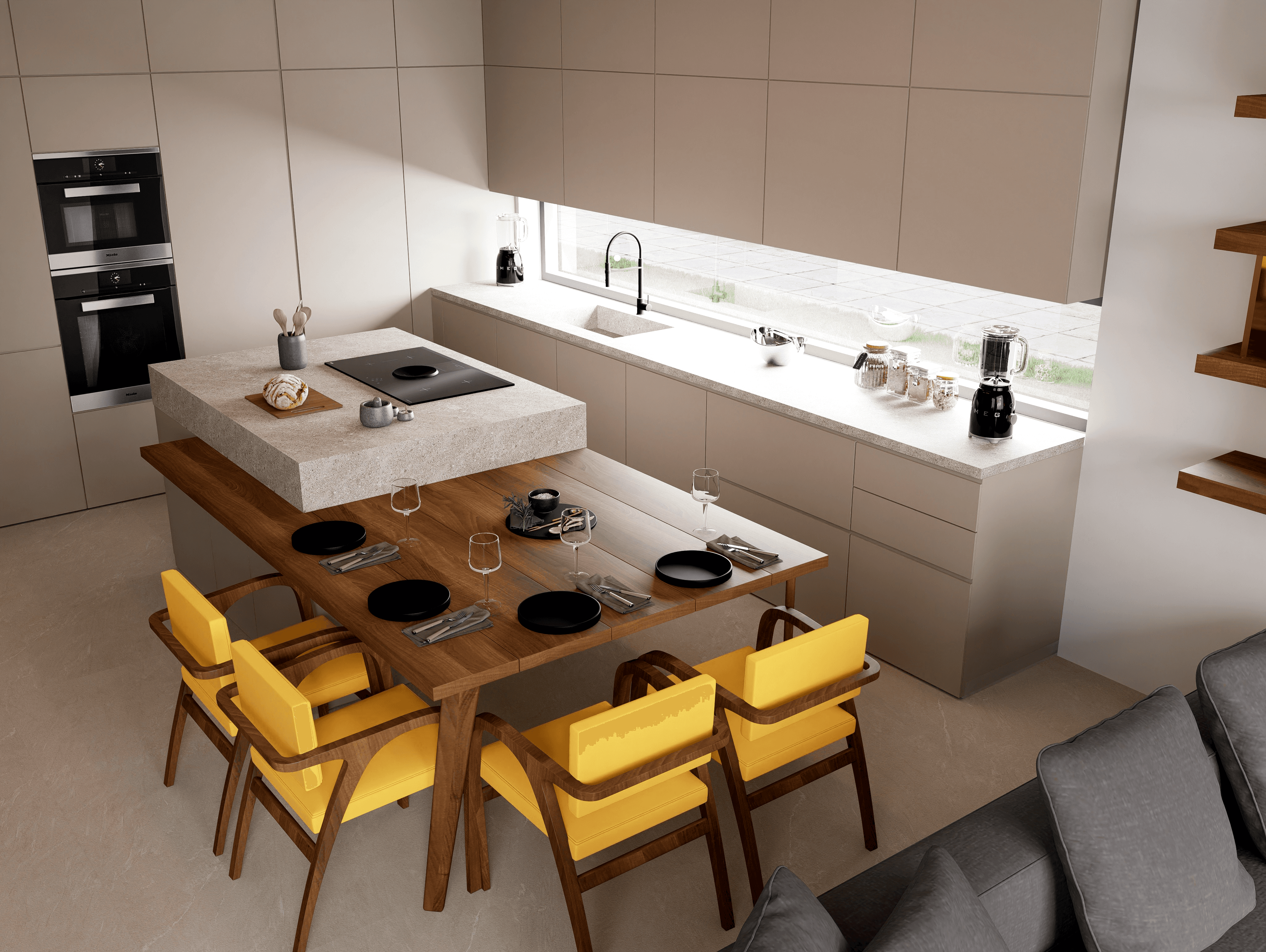
The standard design brief is thorough. It covers materials, finishes, fixtures, furnishings, and layout. What it rarely specifies is how those choices will perform: whether the finishes will release compounds into the air over the following eighteen months, whether the surface materials will reflect sound in a way that makes the room feel subtly tiring, whether the light sources selected for their appearance will feel wrong by mid-afternoon. This reflects the fact that the tools to specify these things precisely are relatively recent. The WELL Building Standard, developed by the International WELL Building Institute (IWBI), exists to close exactly that gap, treating air quality, acoustic performance, thermal comfort, and material composition as designed outcomes with measurable targets rather than variables left to chance. The underlying idea is straightforward: how a space makes you feel is a design decision. It was either made consciously, or it was not made at all.
Designed from the inside out
We work from the full set of variables, not just the visible ones. Our designers are trained in the WELL Building Standard and apply it from the first brief onward, before any finish is selected or layout settled. The result is a space that performs the way it looks, and keeps performing that way long after the photographer has left.
What the space is actually for
You walk into the room and your body settles without requiring a reason. The temperature is right. The light quality holds across the day. The air is clean in a way you feel rather than notice. Sleep is deep. The space does what it was designed to do, consistently, without anyone in it needing to understand why. That is what living, designed well, actually looks like. Not a style or a palette. A state you return to.